

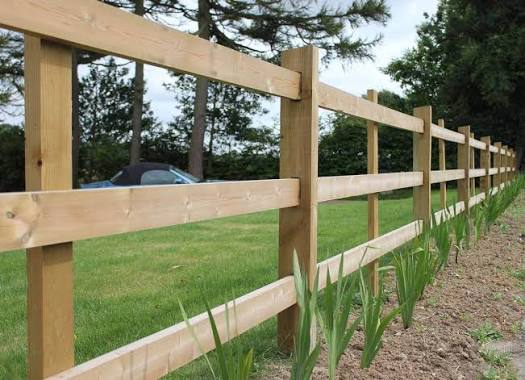

Garden fencing rarely follows a one-size-fits-all pattern. A boundary fence serving a coastal property faces entirely different environmental pressures than a suburban garden shelter belt. A formal estate entrance requires a different aesthetic approach than a practical stock enclosure. Yet the success of any fence project often depends less on choosing the theoretically best post material and more on selecting the option that genuinely suits the particular conditions, purpose and maintenance expectations of that specific location.
Fence posts form the structural foundation of any fencing scheme, and their performance depends significantly on how well they match the actual circumstances where they will work. The choice between timber, concrete and other materials isn’t a matter of absolute superiority but of contextual fit. A beautifully maintained timber post in a sheltered formal garden setting may deliver exactly the aesthetic and functional qualities a homeowner values. Elsewhere, the same choice might prove impractical without sustained attention to treatment and repair.
Understanding the practical differences between post materials—not just their broad characteristics but how those characteristics translate into real performance in different settings—provides a foundation for making a decision that will prove satisfactory over years of actual use. This understanding extends beyond material choice to questions about post spacing, foundation depth, installation timing and the interaction between posts and other fencing components.
Timber posts offer particular advantages in certain contexts. Where aesthetic continuity matters and a property already features timber structures or traditional landscaping, timber posts create visual harmony. Pressure-treated timber delivers improved resistance to decay and insect damage compared to untreated wood, making it a practical choice for domestic gardens where regular maintenance forms part of the property routine. Timber also permits flexible design choices; posts can be cut, shaped and adapted to suit non-standard fence heights or decorative requirements. For many householders, working with a natural material that weathers over time aligns with their preferred approach to garden development.
Concrete posts address a different set of practical priorities. These posts eliminate concerns about wood decay, rot or insect damage; they require no treatment, repainting or ongoing preservation efforts. For properties where maintenance time is limited, or where the fencing project serves a utilitarian rather than decorative purpose, this durability without intervention represents genuine practical advantage. Concrete posts also provide consistent dimensional stability; they do not swell, shrink or warp with changing moisture and temperature. This consistency makes them particularly suitable for fencing applications where precise alignment and uniform appearance matter—screening installations, boundary demarcations or commercial properties where appearance reflects professional standards.
The specific location and environmental conditions of a fence project often determine which post material will perform most satisfactorily. Gardens with clay soils, where moisture retention creates conditions favouring timber decay, may benefit from concrete’s moisture resistance. Coastal or exposed moorland properties, where wind-loading creates particular stresses on fencing, benefit from concrete’s consistent strength. Conversely, well-drained sandy soils in sheltered gardens present fewer challenges to properly treated timber. Suppliers of timber fence posts and concrete alternatives typically stock options suited to these varying conditions, allowing customers to match material choice to their particular site circumstances.
Practical Considerations Beyond Material Choice
Selecting between post materials represents only one dimension of tailoring fence solutions to particular needs. Post spacing, for instance, varies depending on fence height, wind exposure and the specific panels or rails the posts will support. A standard 1.8-metre domestic fence in suburban surroundings might use posts spaced at 1.8-metre intervals, but exposed rural locations or taller fence installations often require closer spacing to maintain structural stability. This spacing decision affects material quantity, installation labour, overall project cost and long-term fence performance.
Foundation depth and installation method similarly depend on site-specific factors. Posts set in shallow foundations may suffice in sheltered gardens with stable soil conditions, while exposed sites or clay soils prone to seasonal movement demand deeper installation to prevent movement and consequent panel misalignment. The choice between concrete-set foundations and other installation methods reflects these varying conditions. Some properties benefit from gravel boards—concrete or timber bases that separate timber fence panels from direct soil contact—reducing moisture exposure and extending the lifespan of the panels themselves.
The interaction between posts and fence panels also varies. Timber posts paired with timber panels create aesthetic and structural harmony, with both materials responding similarly to moisture and temperature changes. Timber posts combined with concrete gravel boards and concrete fence panels create a mixed system where each component addresses specific practical requirements. Concrete posts with timber panels offer the durability advantage of concrete posts while maintaining a traditional timber appearance at eye level. Understanding these combinations allows property owners to balance practical performance with aesthetic preference.
Matching Fence Solutions to Specific Project Purposes
Different fencing projects have genuinely different practical priorities. A decorative garden boundary marking property lines can prioritise visual appeal and character; the fence performs a social and aesthetic function as much as a practical one. The material and design choices reflect these priorities, with traditional timber often providing the aesthetic continuity that homeowners value. Here, post selection complements the overall garden design rather than being driven solely by durability or maintenance-reduction concerns.
Functional screening fences serving purposes such as noise reduction, shelter or privacy may prioritise density, height and durability over aesthetic subtlety. A fence screening a property from a busy road serves a practical function, and its material choices reflect that purpose. Concrete posts combined with appropriate panels may offer the combination of durability and structural stability that such installations require. These projects often involve larger material quantities and may benefit from trade suppliers who can source complete systems designed to work together effectively.
Agricultural or rural fencing presents yet different priorities again. Livestock containment, stock shelter and long-term durability across extensive areas shape material choices. Fence posts must withstand not only weather but also the physical pressures created by animals and seasonal land use patterns. These applications often involve different post specifications and installation practices than residential garden fencing.
Building in Flexibility for Changing Needs
Gardens and properties evolve over time, and fencing solutions benefit from some consideration of potential future changes. A fence installed to establish a young garden’s initial layout may need modification as trees mature and shade patterns change, or as property use shifts. Posts that can accommodate future panel replacement or fence height adjustment without wholesale reconstruction offer practical value. Some post systems inherently provide this flexibility better than others; understanding these differences helps ensure that initial decisions do not unnecessarily constrain future options.
Maintenance expectations also warrant honest consideration when selecting posts. Some homeowners genuinely enjoy the process of maintaining and refreshing timber structures; they appreciate the opportunity to influence how their fencing weathers and develops. Others prefer materials requiring minimal intervention. Neither preference is incorrect; both are legitimate responses to different circumstances and lifestyles. Recognising which approach suits a particular property and household makes the initial material choice more likely to prove satisfactory over the fence’s working life.
Professional guidance from experienced suppliers proves valuable precisely because they understand how material choice translates into real performance across different site conditions and project types. Suppliers who work regularly across a region observe how different materials perform in local soil conditions, climate patterns and usage contexts. This accumulated experience helps inform recommendations suited to particular circumstances rather than generic suggestions applicable everywhere.
Creating Sustainable Fencing Solutions Through Thoughtful Choice
Selecting posts suited to particular circumstances rather than pursuing a universal solution often proves more sustainable in practical terms. A fence installation that matches its material choices to actual site conditions and user needs tends to perform reliably and require only routine maintenance. Mismatched choices—selecting materials poorly suited to site conditions or project purposes—often result in premature failure, panel damage and the need for reconstruction before the fence has delivered reasonable service life.
This practical sustainability extends beyond individual projects. Neighbourhoods where fencing reflects thoughtful material choice, appropriate maintenance and genuine suitability to purpose develop a character of care and consideration. Conversely, properties where poorly matched fencing materials fail and require constant repair communicate neglect, even when homeowners simply chose materials without considering site-specific factors.
Taking time to understand what different post options offer, how they perform in particular conditions, and which choice genuinely suits a specific property and purpose transforms fencing selection from an abstract decision into a practical problem-solving exercise. This approach recognises that good fencing solutions emerge not from choosing theoretically superior materials but from understanding particular needs and matching available options to those needs thoughtfully. For homeowners, contractors and property managers, this matching of solution to circumstance provides the foundation for fencing that performs reliably, looks appropriate and requires only the level of maintenance that property owners actually anticipate providing.