

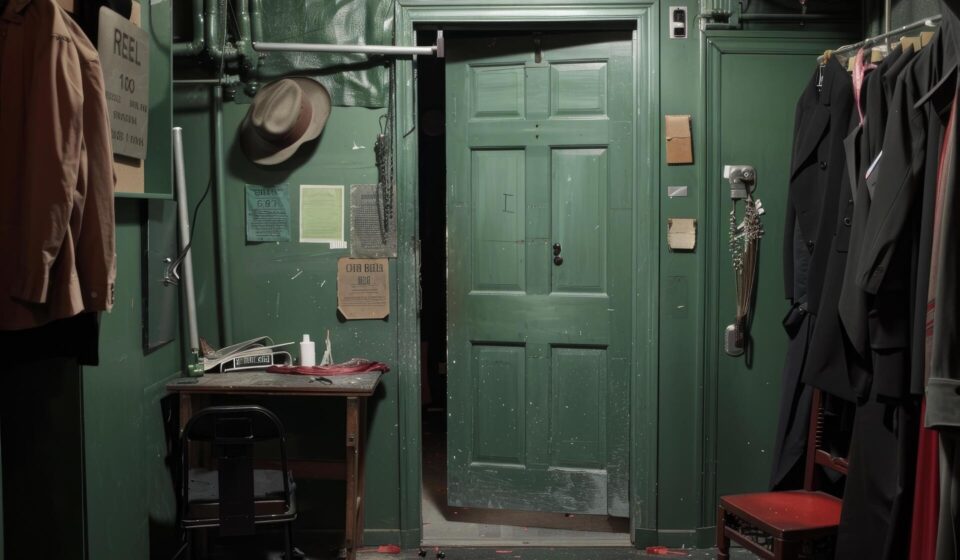

Being locked in a room and given a limited amount of time to escape might not sound like an obvious leisure activity.
Yet escape rooms have developed into a popular form of group entertainment, attracting families, friends, colleagues and visitors looking for something different from traditional outings.
Combining puzzles, storytelling and teamwork, these experiences offer participants the opportunity to become part of an interactive adventure.
Where Did Escape Rooms Come From?
Modern escape rooms were influenced by puzzle-based video games in which players searched environments for clues, solved challenges and unlocked new areas.
The concept eventually moved into physical locations, allowing groups to experience similar challenges together.
Early escape room attractions became popular in parts of Asia before expanding into Europe and other regions.
The basic format was straightforward: participants entered a themed room and worked together to solve a sequence of puzzles before time ran out.
As the industry developed, operators introduced increasingly elaborate environments, more sophisticated technology and storylines designed to create a sense of immersion.
Today, escape rooms can be found in many British towns and cities, often occupying former retail premises or converted commercial spaces.
More Than Just Finding a Key
Although early escape rooms frequently relied on padlocks and hidden keys, modern attractions can involve much more complicated challenges.
Participants might need to interpret a coded message, arrange objects in a particular sequence or identify patterns hidden within the room.
Some puzzles involve physical interaction, while others require observation, logic or communication between different members of the group.
Electronic sensors, automated mechanisms and carefully designed sound effects can make the environment feel more responsive.
The best experiences combine different puzzle styles so that participants with varying strengths can contribute.
Someone who struggles with numerical challenges might excel at spotting visual clues, while another person may be particularly good at understanding how objects fit together.
The Importance of Storytelling
One reason escape rooms have become so popular is their ability to turn a simple puzzle challenge into an adventure.
Themes range from detective mysteries and archaeological expeditions to science-fiction laboratories, haunted buildings and historical settings.
The story gives participants a reason to investigate their surroundings and solve the challenges.
Rather than simply opening locks, players might be trying to recover a missing artefact, investigate a disappearance or prevent a fictional disaster.
Lighting, sound, props and room design all help create the atmosphere.
Some venues employ performers or use recorded characters to guide the experience, making it feel closer to interactive theatre.
Why Teamwork Makes the Difference
Escape rooms are unusual because success generally depends on cooperation rather than individual performance.
Participants need to share information, explain their discoveries and listen to other people’s suggestions.
A clue found on one side of the room may only become meaningful when combined with something discovered elsewhere.
This encourages groups to communicate and divide tasks.
It also creates moments of excitement when someone suddenly understands how several apparently unrelated clues connect.
For families, escape rooms can offer an opportunity for different generations to work towards the same objective.
For groups of friends, the experience often becomes a memorable shared challenge.
Escape Rooms in the Workplace
The teamwork involved has also made escape rooms popular for corporate activities.
Employers sometimes use them as informal team-building experiences because they encourage communication, problem-solving and collaboration.
Unlike conventional training exercises, escape rooms provide an entertaining environment where colleagues can interact outside their usual responsibilities.
However, the experience works best when everyone feels comfortable participating.
Some people enjoy working against a clock, while others may find the pressure less appealing.
Choosing an appropriate difficulty level and ensuring the activity is accessible to the whole group are important considerations.
How the Industry Has Evolved
As competition between venues has increased, escape room designers have experimented with new formats.
Some attractions now feature multiple interconnected rooms, allowing participants to move through an unfolding story.
Others use technology to create effects that would have been difficult to achieve with traditional mechanical puzzles.
Outdoor puzzle trails and city-centre mystery games have also become popular alternatives.
These experiences combine exploration with clue-solving, often allowing participants to complete challenges at their own pace.
Portable escape games and boxed puzzle experiences have brought similar ideas into homes, schools and workplaces.
Why the Experience Continues to Appeal
Escape rooms offer something increasingly valuable in an entertainment market dominated by screens: a shared activity that requires people to interact directly.
Participants cannot simply sit back and watch. They must investigate, communicate and make decisions together.
The satisfaction of solving a difficult puzzle can be memorable, particularly when the answer emerges through teamwork.
Whether the group escapes with minutes to spare or runs out of time, the experience usually provides plenty to discuss afterwards.
That combination of challenge, entertainment and shared achievement helps explain why escape rooms have become a lasting feature of modern leisure.