

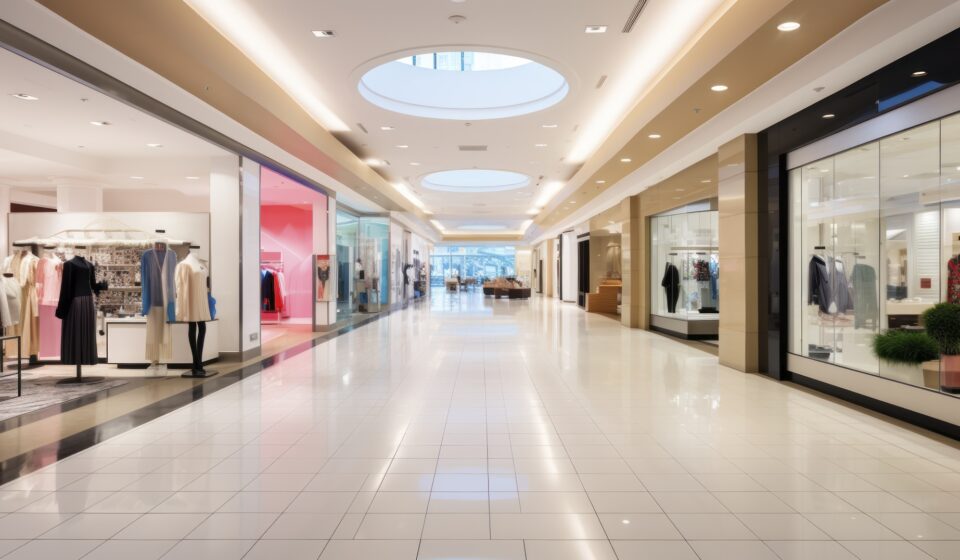

For generations, Britain’s department stores were more than places to buy clothes, furniture and household goods. They were landmarks, meeting places and important parts of the high street. Families visited them for Christmas displays, teenagers arranged to meet outside their entrances, and shoppers travelled from surrounding towns to explore their many floors.
Today, many of those familiar names have disappeared. Their buildings have been converted into apartments, offices, leisure venues or entirely different shops. Yet the history of Britain’s department stores reveals a fascinating story about changing shopping habits, architecture and the evolution of town centres.
The Golden Age of Department Store Shopping
During the late nineteenth and early twentieth centuries, department stores transformed the way people shopped.
Previously, customers often visited separate businesses for clothing, household goods, furniture and other essentials. Department stores brought these products together under one roof, creating an experience that was both convenient and exciting.
Large display windows encouraged passers-by to stop and look, while elaborate interiors made shopping feel like a special occasion. Some stores introduced restaurants, tearooms and beauty departments, encouraging customers to spend several hours exploring.
In many British cities, these businesses occupied some of the most impressive commercial buildings in the centre. Grand staircases, decorative ceilings and carefully designed entrances helped establish their reputation.
The Names That Defined Local High Streets
Although national chains eventually became dominant, many department stores began as independent family businesses.
Regional names such as Lewis’s, Kendals, Beatties and Jenners became closely associated with their respective cities. Customers developed strong loyalties to particular stores, sometimes shopping with the same business throughout their lives.
Liverpool’s Lewis’s, for example, was established in the nineteenth century and became one of the city’s best-known retail landmarks. Its building on Ranelagh Street remains recognisable, even though the department store itself has long since closed.
These businesses were also major employers. Behind the shop floors were delivery teams, warehouse staff, window dressers, buyers, administrators and specialists responsible for maintaining the buildings.
For many employees, working in a department store offered opportunities to develop a career within a large local organisation.
Why Department Stores Began to Struggle
The decline of traditional department stores did not happen overnight.
Out-of-town retail parks and shopping centres gradually changed where people chose to shop. Supermarkets expanded into clothing, electrical goods and homeware, while specialist retailers offered alternatives to the traditional department store model.
The growth of online shopping introduced another challenge. Customers could compare prices, browse enormous product ranges and arrange home delivery without visiting a physical shop.
Maintaining large buildings in expensive city-centre locations became increasingly difficult, particularly when fewer customers were visiting regularly.
Changing consumer expectations also played a part. Shoppers increasingly wanted convenient parking, flexible opening hours and straightforward returns, alongside competitive prices.
The result was a difficult environment for businesses built around substantial premises and large numbers of staff.
What Happens to the Buildings?
One of the most interesting consequences of department store closures is the question of what to do with the buildings they leave behind.
Many occupy prominent locations and have distinctive architectural features worth preserving. However, their original layouts are not always suitable for modern retail businesses.
Some have been converted into hotels or residential developments. Others have found new uses as entertainment venues, food halls, offices or mixed-use spaces.
Successful conversions can give historic buildings a new purpose while retaining elements of their original character.
The challenge is finding uses that are financially sustainable and beneficial to the surrounding town centre.
Could the Department Store Make a Comeback?
The traditional department store may no longer dominate British shopping streets, but aspects of the concept remain attractive.
Customers still enjoy being able to explore different products in one location, particularly when the experience offers something unavailable online.
Independent markets, curated retail spaces and combined shopping and dining destinations share some characteristics with the department stores of the past.
There is also renewed interest in shopping environments that offer personal service, specialist knowledge and a sense of occasion.
Rather than recreating the department stores of previous generations, future retailers may borrow their most successful ideas and adapt them to modern expectations.
More Than a Shopping Destination
The disappearance of familiar department stores represents more than a change in retail habits.
These businesses formed part of the identity of British towns and cities. Their windows marked the changing seasons, their cafés hosted conversations, and their buildings became part of people’s everyday routines.
Although the names above the entrances may have changed, their influence remains visible in the architecture and memories of high streets across the country.
Understanding their history offers an interesting glimpse into how British society has changed — and how our relationship with shopping continues to evolve.