


Packaging is something most people encounter dozens of times a day without giving it much thought.
From cereal boxes and coffee jars to shampoo bottles and takeaway containers, the objects surrounding everyday products are carefully designed to attract attention, protect their contents and communicate information.
Behind even the simplest-looking package lies a mixture of graphic design, engineering, psychology and practical decision-making.
Why Packaging Matters
The primary purpose of packaging is to protect a product during storage, transport and use.
Food packaging may need to prevent contamination or preserve freshness, while fragile products require materials capable of absorbing impacts.
However, packaging also performs an important communication role.
It tells customers what a product contains, how it should be used and what makes it different from alternatives.
On a crowded supermarket shelf, the appearance of a package can influence whether someone notices a product at all.
Colour, typography, shape and imagery all contribute to that first impression.
The Psychology of Colour
Different colours can create different expectations about a product.
Bright colours may suggest energy or playfulness, while muted tones can create a more restrained appearance.
Dark packaging is sometimes associated with premium products, particularly when combined with simple typography and limited decorative elements.
However, these associations are not universal.
Customers also develop expectations based on familiar categories. A colour scheme that works well for one type of product may seem unusual when applied to another.
Designers therefore need to consider the product, its intended audience and the environment in which it will be displayed.
Consistency is particularly important for established brands.
Customers often recognise familiar packaging long before they read the product name.
Why Shapes Are Carefully Considered
Packaging design is not simply about appearance.
The physical shape of a container can affect manufacturing costs, transport efficiency and how easily customers can use the product.
Square and rectangular packages often make efficient use of storage space because they can be stacked closely together.
Rounded containers may be easier to hold or pour from, depending on their size and intended purpose.
Some packages are designed to stand upright, while others need to fit into refrigerators, cupboards or bathroom cabinets.
Small details such as bottle necks, handles and opening mechanisms can make a significant difference to usability.
Even the sound a package makes when opened can contribute to how customers perceive the product.
The Rise of Minimalist Design
In recent years, many products have adopted simpler packaging styles.
Instead of filling every available space with text and images, designers may use a limited colour palette, clear typography and generous empty space.
This approach can make important information easier to find.
It can also help products stand out among competitors using more elaborate designs.
However, minimalism does not suit every category.
Products aimed at children, for example, may benefit from brighter illustrations and more playful visual elements.
The challenge is finding a design that reflects the product while remaining practical and recognisable.
Packaging and Environmental Concerns
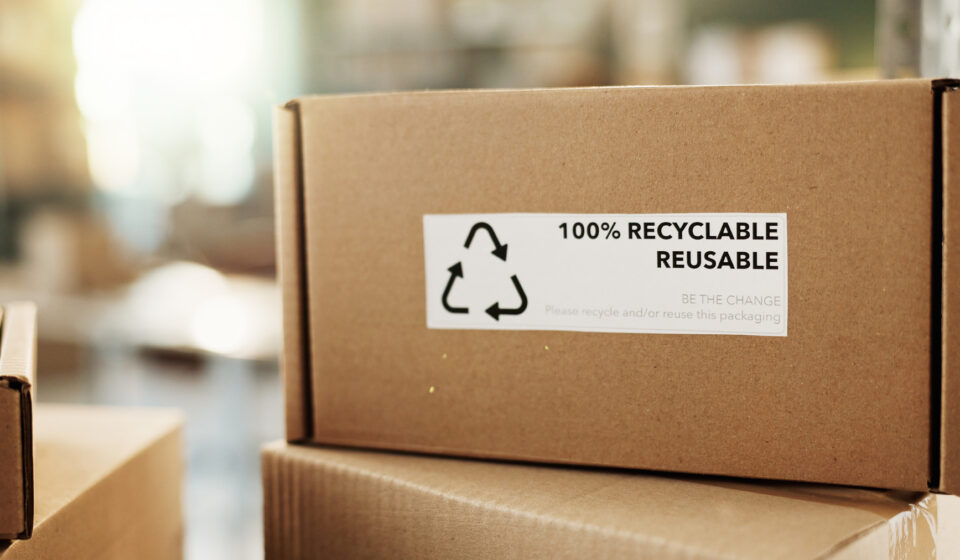
Environmental considerations have become an increasingly important part of packaging development.
Manufacturers are exploring ways to reduce unnecessary materials, improve recyclability and make packaging easier to separate into different components.
Paper-based alternatives, refill systems and lightweight containers are among the approaches being used.
However, packaging sustainability is not always straightforward.
A material that appears environmentally friendly may require more energy to manufacture or may not provide adequate protection for certain products.
Food waste is another important consideration. Packaging that extends shelf life can reduce the amount of food discarded.
Designers must therefore balance material use, product protection, transport requirements and disposal options.
The Challenge of Accessible Packaging
Packaging also needs to work for people with different physical abilities.
Small print can make instructions difficult to read, while tightly sealed containers may be challenging for customers with limited hand strength.
Clear labelling, easy-opening mechanisms and practical shapes can improve accessibility.
Some manufacturers are experimenting with tactile markings and digital information that can be accessed through smartphones.
These developments demonstrate how packaging design can influence everyday independence and convenience.
An Overlooked Form of Design
The next time you open a carton, pour from a bottle or pick up a product in a shop, consider how many decisions contributed to its design.
Someone has chosen the materials, tested the shape, selected the colours and determined where each piece of information should appear.
Successful packaging often goes unnoticed precisely because it works so naturally.
It protects the product, communicates clearly and makes everyday tasks easier.
What appears to be a disposable container is actually the result of a surprisingly complex design process.